Compare
Where should your company's brain live?
Every tool on this page holds a piece of it. Town remembers how you work. Gumloop runs your workflows. Notion keeps the pages, Glean keeps the index, Buzz keeps the conversation. Cabinet is the brain itself: your whole knowledge base and files in one place you own, worked by your team and its AI agents, rendered as live apps and dashboards. The comparisons below are honest, including where the others win.
Every page reviewed August 2026 against public pricing and docs.
The map
Every category holds a piece
Assistants hold your habits. Automations hold your workflows. Wikis hold pages, search holds an index, agent chat holds the scroll. All useful, and none of them leaves your company holding the knowledge. That is the job Cabinet was built for.
Personal AI assistants
Town
A Townie triages your inbox and preps your meetings, well. The work lands in your SaaS accounts, and what it learns stays in Town's cloud.
Workflow automation
Gumloop
Agents run no-code flows across a hundred tools. Knowledge is a paid index that feeds them, edited somewhere else.
Agent team chat
Buzz
Jack Dorsey's open-source room where people and agents talk. The shared context is the scroll.

Personal AI coworkers
Claude Cowork
Claude works your folders and ships the deck, brilliantly, for one person. Projects and memory stay with each user's account.
Wikis and docs
Notion, Coda
The pages have a home, and since 2026, agents too. The home is their cloud, in their format.

Enterprise search
Glean, Dust
Finds and answers across everything you already run. Authors and holds nothing of its own.
The brain itself
Cabinet
Knowledge, files, agents, and the live apps they render, in one place your company owns. That is the whole product.
At a glance
The 2026 field, side by side
The capabilities that decide the choice, with the rows where a competitor is ahead left in on purpose. Open any head-to-head below for the full picture.
Swipe to compare all seven
| Capability | Cabinet | Notion | Glean | Town | Gumloop | Cowork | Buzz |
|---|---|---|---|---|---|---|---|
| One home for company knowledge and files | Included | Included | Not included | Not included | Partial | Not included | Not included |
| A place people write and read knowledge | Included | Included | Not included | Not included | Not included | Not included | Partial |
| Knowledge rendered as live apps and dashboards | Included | Partial | Not included | Not included | Partial | Partial | Not included |
| AI agents that work on schedules | Included | Included | Included | Included | Included | Included | Partial |
| Agent work persists as files you own | Included | Not included | Not included | Not included | Not included | Partial | Partial |
| Self-hosted on your infrastructure | Included | Not included | Partial | Not included | Partial | Not included | Included |
| Your AI keys at provider cost | Included | Not included | Not included | Not included | Partial | Not included | Included |
| Personal inbox and calendar assistant | Not included | Not included | Not included | Included | Partial | Partial | Not included |
| Automation across 100+ SaaS apps | Partial | Partial | Partial | Partial | Included | Partial | Not included |
| Search across your existing tools | Partial | Partial | Included | Partial | Included | Partial | Not included |
Head to head
Pick a comparison
Cabinet vs Town
Personal AI assistantA Townie that clears your inbox, or a brain your company keeps.
Cabinet vs Gumloop
AI workflow automationAgent workflows over your tools, or a brain your company owns.
Cabinet vs Buzz
Agent team chatDorsey's chat room for agents, or the brain they work in.
Cabinet vs Claude Cowork
Personal AI coworkerClaude at your desk, or Claude inside your company's brain.
Cabinet vs Notion
Team wiki and docsA cloud wiki, or a knowledge base you actually own.
Cabinet vs Obsidian
Markdown notesA single-player note editor, or a workspace for your whole team.
Cabinet vs Glean
Enterprise AI searchSearch across the tools you have, or own the knowledge itself.
Cabinet vs Dust
AI assistants platformAssistants wired to your tools, or a file-based brain agents own.
Cabinet vs Paperclip
Agent orchestrationOrchestrate agents, or give those agents a brain to work in.
Cabinet vs Mem
AI notesAI notes in the cloud, or a knowledge base you own with agents.
Cabinet vs Guru
Knowledge managementA verified card wiki in the cloud, or a KB you own with agents.
Cabinet vs Coda
Docs and tablesCloud docs that act like apps, or a KB you own that runs them.
Cabinet vs Microsoft Copilot
Bundled enterprise AIAI bundled into Microsoft 365, or AI on a KB you own.
Cabinet vs ChatGPT Enterprise
Enterprise AI assistantA hosted chat assistant, or a KB you own that agents work in.
Switching
Migration guides
Moving from another tool? These walk you through it, end to end, so you keep your work and end up owning it.
Why Cabinet
Built to be the brain, and the only one you own
One brain, owned
Your whole knowledge base and files live in one place, on your infrastructure, as files your IT can back up like anything else. Subscriptions end. The brain stays.
Knowledge that shows itself as software
Cabinet renders your knowledge as live dashboards and working apps, generated from the files and always current. A generative interface instead of a thousand static pages.
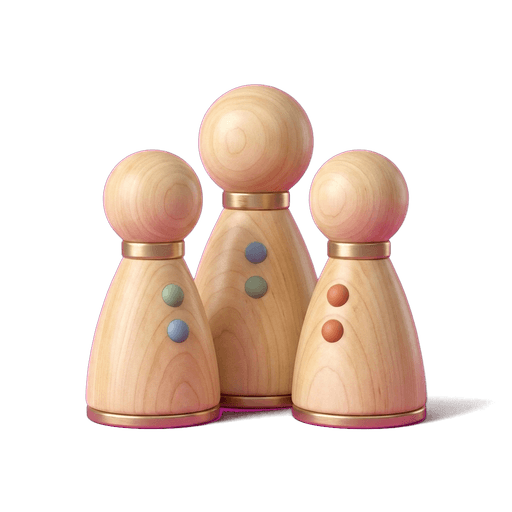
People and agents, same rooms
Your team and its AI specialists read and write the same knowledge. Agents run on schedules, you approve what ships, and inference runs on the model accounts you already pay for.
Own your knowledge. Keep your AI. Start free.
Run Cabinet in minutes, or get a guided walkthrough.