Buzz vs Cabinet: the chat room, or the brain
Buzz is Block's open-source workspace where people and AI agents share channels. Jack Dorsey announced it on July 21, 2026, and it is free while in beta. Cabinet agrees with most of what Buzz stands for: self-hosted, agents as teammates, your own AI keys. The difference is the primitive. Buzz builds on the chat log. Cabinet builds on a knowledge base your company keeps.
Last reviewed August 2026 against public pricing and docs.
Choose Cabinet if
- You want shared context that accumulates as documents, files, and dashboards, not a channel scroll.
- You want a workspace your operators and executives can use without Docker or a CLI.
- You want a versioned product your company can run today.
Stick with Buzz if
- You are a technical team that wants Slack-style chat where agents are native, on an open protocol.
- Nostr identity portability and git patches over your own relay matter to you.
Self-hosted · your data stays yours · bring your own AI
The core difference
Same beliefs. Different primitive.
Credit first. Buzz is a serious attempt at the right idea: humans and AI agents working in one place, on infrastructure you own. Agents hold their own cryptographic identities, every message and git patch is a signed event on a relay you run, it works with Claude Code, Codex, and Goose through MCP, and the code is Apache licensed. It picked up roughly 26,000 GitHub stars in its first three weeks. We are rooting for it.
Now the difference. In Buzz, the shared context is the conversation itself: an append-only log of messages and patches. There is no knowledge base, no document hierarchy, no dashboards, and no connection to the files your company already has, as of August 2026. What an agent figured out on Tuesday is buried under Friday's scroll, which is the exact problem knowledge tools exist to solve. It is also pre-1.0: no mobile apps yet, approval gates unfinished, and reviewers advise keeping sensitive data out.
Cabinet starts from the other primitive. The knowledge base is the ground truth: files and documents your team and its agents author, with chat alongside and live dashboards rendered from what the company knows. An executive can read the brain without reading the scroll.
Where Cabinet wins
Three things Buzz cannot do
Context that outlives the conversation
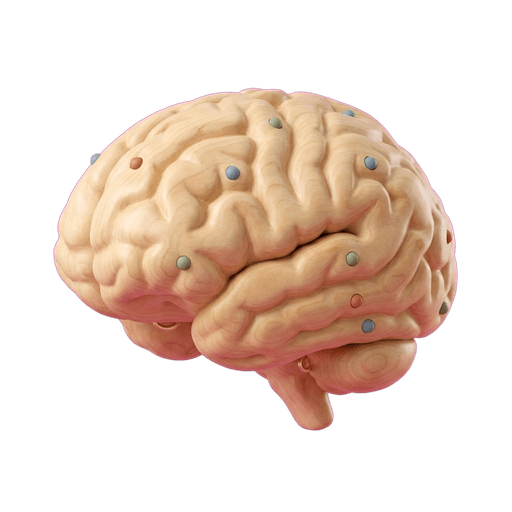
Buzz gives your agents a room to talk in. Cabinet gives them a brain to work in: what agents research and decide lands as documents that stay findable, correctable, and true long after the thread moves on.
# where shared context lives
buzz     #general, 41,208 messages
cabinet  brain/decisions/2026-q3.md
See the state, not the scroll
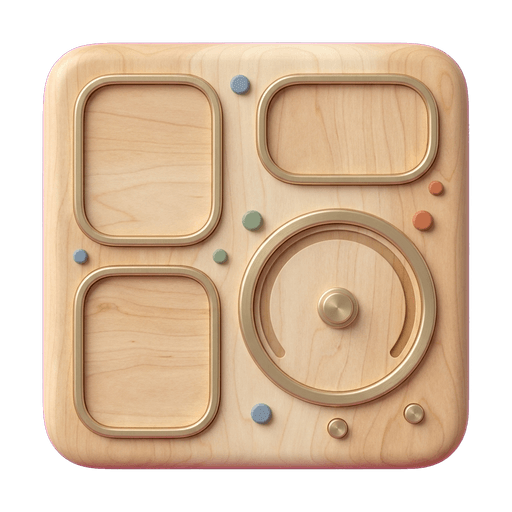
In a chat workspace, catching up means reading back. Cabinet renders the knowledge base as live dashboards and working apps, so the current state of any project is a view, not an archaeology dig.
Built for the whole company
Running Buzz today means Docker, Rust toolchains, and wiring agents in by CLI. Cabinet is a product your operators, analysts, and executives work in on day one, with the same ownership guarantees.
Feature by feature
Cabinet vs Buzz, side by side
The features that actually decide this, including the ones where Buzz comes out ahead.
| Feature | Cabinet | Buzz |
|---|---|---|
| Self-hosted on infrastructure you own | Included | Included |
| Bring your own AI keys | Included | Included |
| Humans and AI agents in one workspace | Included | Included |
| A knowledge base with files and documents | Included | Not included |
| Documents people author and editBuzz canvases exist but are early and lightly documented as of August 2026. | Included | Partial |
| Knowledge rendered as live dashboards | Included | Not included |
| Connects to your existing files and toolsBuzz lists no external integrations as of August 2026. | Included | Not included |
| Slack-style channels, DMs, and huddles | Partial | Included |
| Git patches native to the workspaceCabinet links Git repos; Buzz signs patches into its event log. | Partial | Included |
| Usable by non-technical teamsBuzz onboarding currently assumes Docker, Rust, and CLI-wired agents. | Included | Not included |
| Versioned releases teams run in productionBuzz is pre-1.0 beta; mobile apps and approval gates are unfinished (August 2026). | Included | Partial |
Being honest
When Buzz is the better choice
- You are an engineering team that lives in chat and wants agents native to it, with git patches flowing through the same channels.
- Open-protocol identity matters: you want your team's identities and history portable on Nostr, independent of any vendor including Block.
- It is free, including Block's hosted beta, and you are comfortable adopting a pre-1.0 product.
Questions
Cabinet vs Buzz, answered
What is Buzz, Jack Dorsey's new app?
Buzz is a free, open-source collaboration platform from Block, announced by Jack Dorsey on July 21, 2026, where humans and AI agents share channels as teammates. It is built on the Nostr protocol: agents hold their own cryptographic identities, and messages and git patches are signed events on a relay you can self-host. Desktop only so far, and pre-1.0.
Is Buzz free?
Yes. Buzz is Apache-licensed open source, and Block's hosted beta at buzz.xyz is free as of August 2026. Real costs are your own infrastructure and your own LLM API keys. No paid plan has been announced.
Is Buzz a Slack replacement?
It wants to be. Dorsey positions Buzz against Slack and GitHub. Today it is pre-1.0: no mobile apps, unfinished approval gates, and coverage advises teams not to migrate yet. It also has no knowledge base, which is where Cabinet starts.
Buzz vs Cabinet: which should my team use for AI agents?
Both are self-hosted, and let agents work alongside people with your own AI keys. Buzz makes chat the shared context; Cabinet makes an owned knowledge base the shared context, with documents, files, and live dashboards. Developer teams that live in chat may prefer Buzz. Companies building knowledge that compounds pick Cabinet.
Does Buzz have a knowledge base or documents?
No. Buzz's context is the message and patch log, plus early canvases. There is no document hierarchy, no dashboards, and no integrations to existing files as of August 2026. Cabinet is built around exactly those things.
Can I self-host both Buzz and Cabinet?
Yes. Buzz self-hosts as a Nostr relay via Docker; Cabinet runs on your own machine or cloud. The difference is what you end up owning: in Buzz, an event log of conversations; in Cabinet, a knowledge base your company can open and build on.
Sources
Where these facts come from
Claims on this page are checked against public sources, last reviewed August 2026. Spotted something out of date? Tell us at hi@runcabinet.com and we will fix it.
Own your knowledge. Keep your AI. Start free.
Run Cabinet in minutes, or get a guided walkthrough. Your files, your models, your infrastructure.